Chicory
Cichorium intybus • Beginner-Friendly Perennial
Traditional homestead use: Roasted root brewed as a coffee-style drink; bitter leaves traditionally enjoyed before meals.
By The Backyard Apothecary Editorial Team • Last reviewed November 2026 • 4 min read
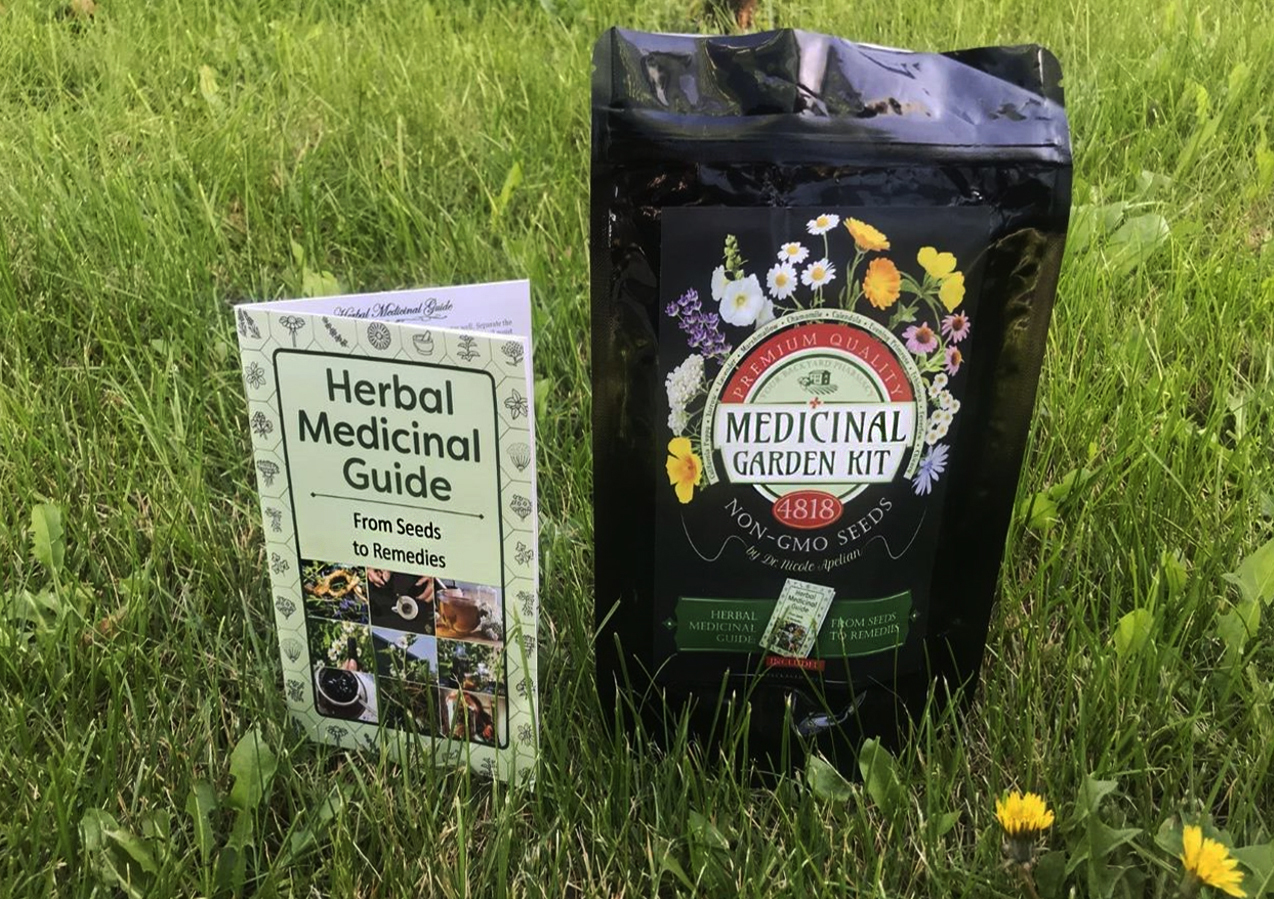
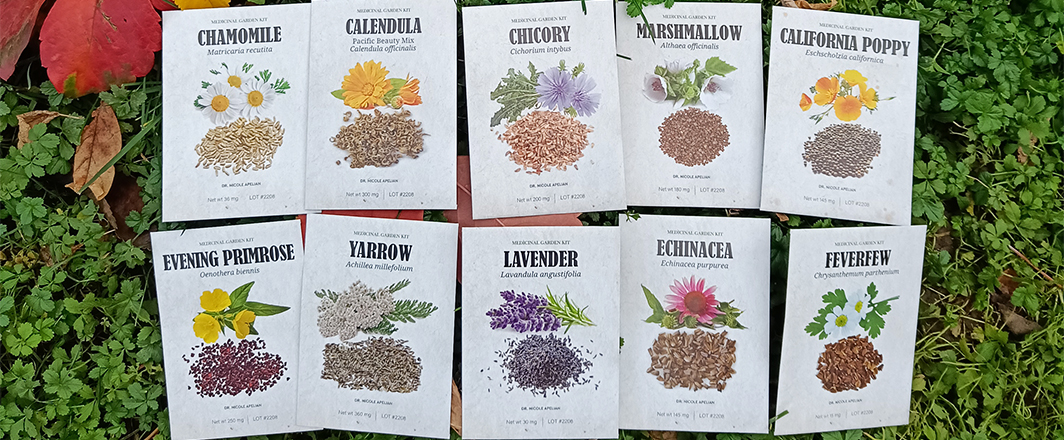
Biologist and survivalist Dr. Nicole Apelian hand-selected 10 time-honored, Non-GMO medicinal plants that can be grown across much of the US, even in pots on a small patio. Here’s what’s in the kit and where to start.
Check Kit Availability & Claim Free Herbal Guide →Affiliate link: we may earn a commission at no cost to you. Details
Cichorium intybus • Beginner-Friendly Perennial
Traditional homestead use: Roasted root brewed as a coffee-style drink; bitter leaves traditionally enjoyed before meals.
Achillea millefolium • Beginner-Friendly Perennial
Traditional homestead use: A staple of homestead first-aid herbalism, traditionally prepared as a topical wash or poultice.
Eschscholzia californica • Beginner-Friendly Annual
Traditional homestead use: Traditionally steeped as a relaxing evening tea.
Althaea officinalis • Intermediate Perennial
Traditional homestead use: Root and leaf infusions traditionally used for throat and digestive comfort.
Matricaria recutita • Beginner-Friendly Annual
Traditional homestead use: Flowers brewed as a classic bedtime tea or a skin-soothing rinse.
Oenothera biennis • Beginner-Friendly Biennial
Traditional homestead use: Seeds traditionally pressed for skin-comfort oil; roots and leaves historically eaten as food.
Lavandula angustifolia • Patient-Friendly Perennial
Traditional homestead use: Dried buds for sleep sachets, relaxing teas, and linen sprays.
Echinacea purpurea • Beginner-Friendly Perennial
Traditional homestead use: Roots, leaves, and petals traditionally prepared as teas and tinctures in cold-weather seasons.
Calendula officinalis • Beginner-Friendly Annual
Traditional homestead use: Petals infused in oil for classic homemade skin-comfort salves.
Tanacetum parthenium • Beginner-Friendly Short-Lived Perennial
Traditional homestead use: Leaves traditionally used in comfort-focused herbal teas; self-seeds readily.
Pick your USDA hardiness zone for approximate sowing dates for this kit’s herbs. No sign-up needed.
| Store-Bought Herbal Products | Medicinal Garden Kit | |
|---|---|---|
| Cost pattern | Recurring purchases | One kit; many of the plants can be replanted from saved seed |
| Freshness | Shelf age varies by brand | Harvest and dry as you need it |
| Packaging | Often plastic bottles and bags | Reusable jars from your own kitchen |
| What you get | A finished product | 4,818 Non-GMO seeds across 10 herbs plus the printed “Herbal Medicinal Guide: From Seeds to Remedies” |
General, practical tips for the herbs in this kit. For buyer experiences, read the customer feedback on the official kit page.
Many herbs in this kit, such as calendula, chamomile, and California poppy, are known as easy, direct-sow plants. Others, like lavender and echinacea, need more patience. The kit includes a printed guidebook, and results always depend on your soil, sun, and care.
Hardiness varies by plant. Echinacea, yarrow, and chicory are cold-hardy perennials in much of the country, while lavender prefers zones 5–9, and California poppy is perennial only in mild climates. Annuals can be grown almost anywhere with a growing season. Check your USDA zone and last-frost date.
Yes, many of these herbs can be grown in containers or raised beds, especially calendula, chamomile, lavender, and yarrow. Taller plants like marshmallow need larger, deeper pots.
The kit includes the printed “Herbal Medicinal Guide: From Seeds to Remedies,” which walks through traditional preparations. Always research each herb and speak with a qualified professional about safe use.
The kit is sold as 4,818 Non-GMO seeds, and each packet carries a lot number. Check the official seller’s page for their current sourcing and variety details before ordering.
For many of them, yes. Calendula, California poppy, chamomile, and feverfew readily set seed, and others will self-sow. Let a few flowers mature at season’s end and store the dry seed in a cool, dark place.
Shipping speed and origin are set by the seller and shown at checkout. Please confirm current details on the official page.
The seller advertises a 365-day money-back guarantee. Terms are set by the seller and may change, so read their current policy on the official page before you order.
Dr. Nicole Apelian is a biologist, herbalist, and survival-skills instructor. Her kit packs ten traditional herbs and a printed guide into one package.
*See the seller’s current terms.
The printed 68-page “From Seeds to Remedies” guidebook comes included with the seed kit.
See the Kit + Free Guide →